



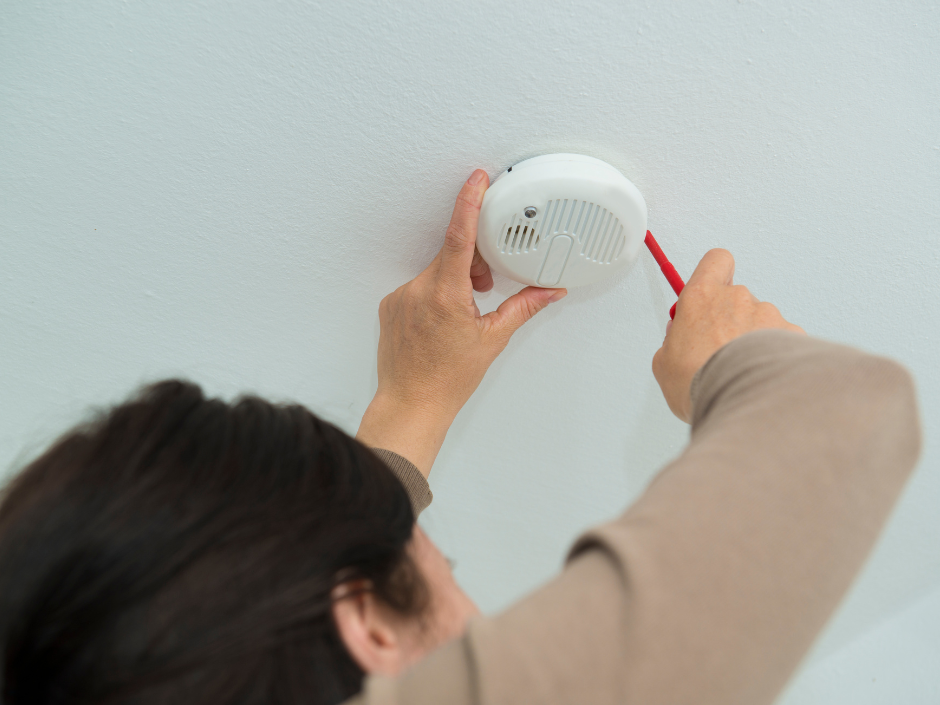
As an RVer, nothing is more important than the safety of yourself and your loved ones while on the road. Smoke and carbon monoxide detectors are essential devices that can alert you to potential hazards in your RV, providing invaluable peace of mind during your travels. In this guide, we'll walk you through the simple process of testing your RV's smoke and carbon monoxide detectors to ensure they are functioning properly. Let's dive in!
Why Test Your RV Detectors?
Smoke and carbon monoxide detectors are your first line of defense against two deadly threats: fire and carbon monoxide poisoning. Regular testing ensures that these devices are operational and ready to alert you to danger, giving you crucial time to react and evacuate if necessary.
When to Test Your Detectors:
It's recommended to test your RV's smoke and carbon monoxide detectors at least once a month, as well as before each trip. Additionally, you should test them immediately if you notice any unusual behavior, such as chirping or flashing lights, which may indicate a low battery or detector malfunction.
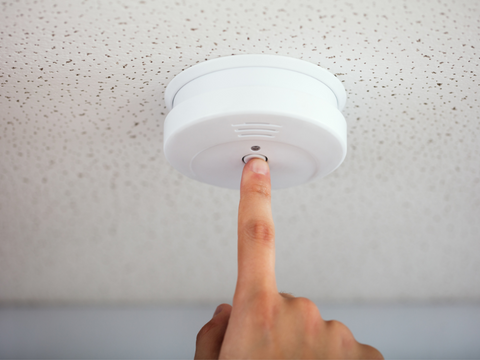
How to Test Your RV Detectors:
Testing your smoke and carbon monoxide detectors is a quick and straightforward process. Here's how to do it:
1. Smoke Detector Testing:
- Press and hold the test button on the smoke detector until it emits a loud, continuous alarm.
- Listen for the alarm sound, indicating that the smoke detector is functioning properly.
- If the alarm does not sound, check the battery and replace it if necessary. If the detector still doesn't work, it may need to be replaced.
2. Carbon Monoxide Detector Testing:
- Locate the test button on the carbon monoxide detector.
- Press and hold the test button until the alarm sounds.
- Listen for the alarm sound, confirming that the carbon monoxide detector is working correctly.
- If the alarm does not sound, check the battery and replace it if needed. If the detector still doesn't function, consider replacing it to ensure your safety.
Additional Tips for Detector Maintenance:
- Clean detectors regularly to remove dust and debris that may interfere with their operation.
- Replace batteries at least once a year or as recommended by the manufacturer.
- Replace smoke and carbon monoxide detectors every 5-10 years, as they may lose sensitivity over time.
Testing your RV's smoke and carbon monoxide detectors is a simple yet crucial step in ensuring the safety of yourself and your passengers while on the road. By following these easy testing procedures and performing regular maintenance, you can enjoy your travels knowing that your detectors are ready to alert you to potential hazards. Read these additional ways you can stay safe on your RV adventures!
See you on the road!


Share:
Your RV Guide to Experiencing the 2024 Solar Eclipse
How to Properly Flush and Sanitize Your RV Water System